IP addresses are like post office addresses for your devices, directing data across the internet. Imagine a world where your online interactions could easily get lost in a vast digital chaos without this system. Confused? Don’t worry, our journey into the realm of IP addresses is about to bring everything into focus. Whether you’re an IT guru or utterly baffled by the concept, this article will unravel the secrets of IP addresses in a way that’s as engaging as it is informative. Let’s immerse.
6720772190
What Is an IP Address?
An IP address, or Internet Protocol address, is a unique identifier assigned to each device connected to a network. Think of it as your device’s identification card that helps it communicate effectively over the internet. Essentially, it tells other devices where to send data, just like how a delivery service uses an address to bring your pizza to the right front porch.
Types of IP Addresses
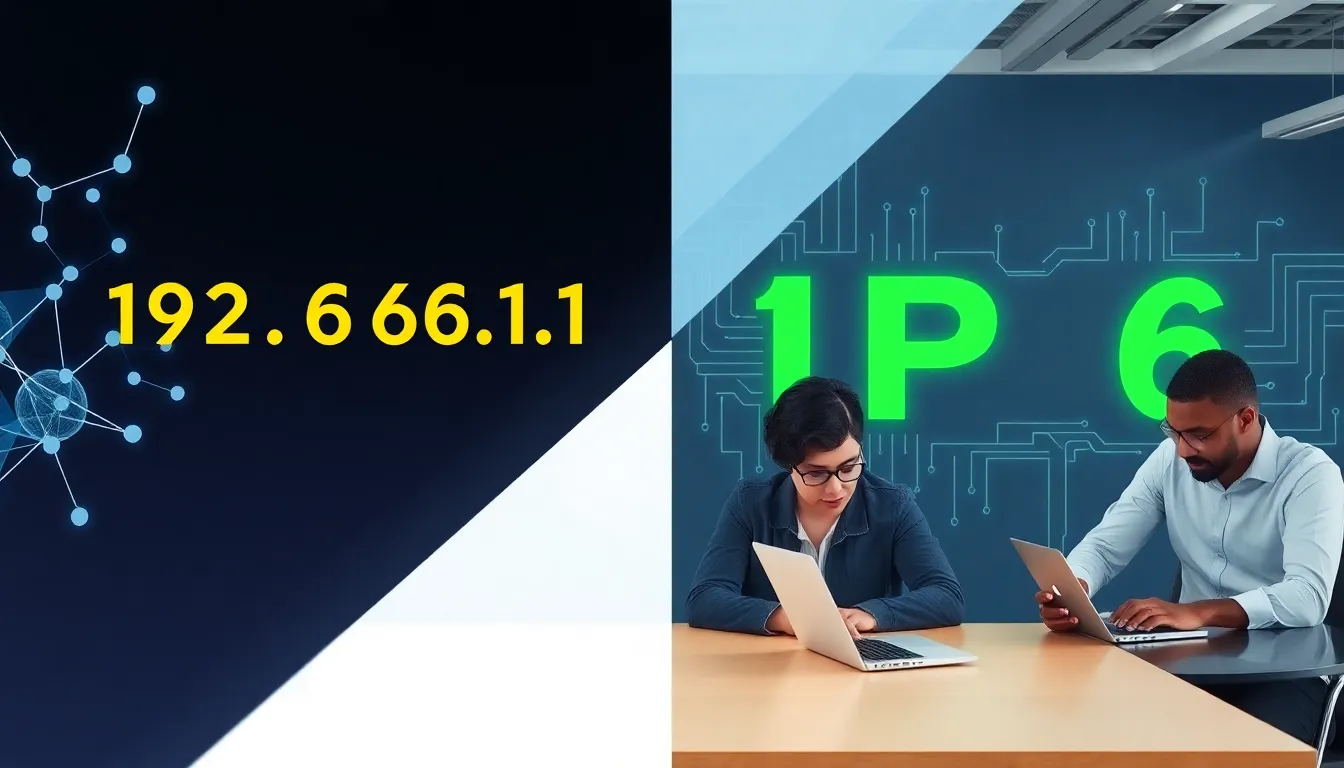
IP addresses come in two major varieties: IPv4 and IPv6. IPv4 addresses, which consist of four sets of numbers separated by dots (like 192.168.1.1), have been the backbone of the internet for decades. But, with the explosive growth of connected devices, the IPv4 format is running out of unique addresses. Enter IPv6, the contemporary solution. IPv6 uses a longer format with eight groups of hexadecimal numbers, ensuring that we have enough addresses for all future devices.
How IP Addresses Work
Static vs. Dynamic IP Addresses
In the world of IP addresses, you’ll encounter static and dynamic types. A static IP address remains constant, functioning like a permanent street sign for your device. This is ideal for hosting websites or gaming, where a steady address is necessary. Conversely, dynamic IP addresses change frequently and are assigned by the network each time a device connects. This flexibility is convenient for most users, but it can sometimes lead to confusion if one is trying to locate a device.
Public vs. Private IP Addresses
Public IP addresses are the addresses your device uses to communicate with the broader internet. Everyone on the internet sees this address, which is akin to waving to strangers on a busy street. In contrast, private IP addresses are reserved for local networks, enabling devices within a home or office to communicate privately. This privacy is critical for security and reduces the risk of cyber-attacks.
Geolocation and IP Addresses
How to Identify the Location of an IP Address
Geolocation technology allows us to find the physical location of an IP address. Tools like IP lookup services analyze the public IP address and can provide a rough estimate of its geographic location. Keep in mind, though, that while this technology is useful, it’s not always pinpoint accurate. Often, it will show the location of the ISP’s server rather than the actual user’s device.
When and Why Geolocation Matters
Understanding the location of an IP address is crucial for several reasons. Businesses use geolocation for targeted advertising, ensuring that promotions reach local customers. Also, geolocation helps in law enforcement when tracking cybercriminals. While it doesn’t eliminate the need for warrants or precautions, knowing an IP address’s location can provide useful leads.
Security Implications of IP Addresses
Common Threats Associated with IP Addresses
IP addresses can expose users to various security threats. Cyber attackers may use them to launch DDoS attacks, where overwhelming traffic targets a specific IP address to disrupt services. Also, knowledge of an IP address can lead to hacking attempts, data breaches, or even identity theft. So, being aware of the potential threats connected to IP addresses is essential for any internet user.
Protecting Your IP Address
To mitigate risks, employing a Virtual Private Network (VPN) is a highly recommended precaution. A VPN masks your IP address, creating a secure tunnel for your data while surfing the web. Firewalls and antivirus software also help to protect your device from external threats, creating an extra layer of security.
Future of IP Addressing
IPv4 vs. IPv6
As the internet continues to grow, the limitations of IPv4 are becoming increasingly apparent. IPv6 has been introduced as the solution, vastly expanding the number of available addresses through its complex structure. This transition isn’t just about numbers: it enhances security features and allows for more efficient routing of information. In short, switching from IPv4 to IPv6 is akin to upgrading from a small apartment to an expansive mansion.
The Transition to IPv6
The shift from IPv4 to IPv6 is already underway, although it’s a gradual process. Many organizations are starting to adopt IPv6 to prepare for the future. While IPv4 isn’t disappearing overnight, moving towards this new system is necessary to support the growing number of devices and to improve internet performance as a whole.